%2Ffit-in%2F250x250%2Fguide_websites%2F58860%2Fimages%2F1766454928986598386018_122199561956291656_9220518757867363358_n.jpg&w=1920&q=100)
/users/51237b7f-5cea-4e9e-80a8-542dcdb3dbbe/ratecard/555703184_122190568718291656_8747630719124895153_n-mjhwlle5.jpg)
%2F300x300%2Fusers%2F51237b7f-5cea-4e9e-80a8-542dcdb3dbbe%2Fratecard%2F555703184_122190568718291656_8747630719124895153_n-mjhwlle5.jpg&w=256&q=75)
%2F300x300%2Fusers%2F51237b7f-5cea-4e9e-80a8-542dcdb3dbbe%2Fimages%2Fbest-fishing-venice-marina-2434.jpg&w=256&q=75)
%2F300x300%2Fusers%2F51237b7f-5cea-4e9e-80a8-542dcdb3dbbe%2Fimages%2Ffishing-venice-marina-2423.jpg&w=256&q=75)
%2F300x300%2Fusers%2F51237b7f-5cea-4e9e-80a8-542dcdb3dbbe%2Fimages%2Fblack-drum-fishing-venice-marina-2430.jpg&w=256&q=75)
%2F300x300%2Fusers%2F51237b7f-5cea-4e9e-80a8-542dcdb3dbbe%2Fimages%2Fvenice-marina-fishing-2514.jpg&w=256&q=75)
%2F300x300%2Fusers%2F51237b7f-5cea-4e9e-80a8-542dcdb3dbbe%2Fimages%2Fredfish-fishing-louisiana-2424.jpg&w=256&q=75)
%2F300x300%2Fusers%2F51237b7f-5cea-4e9e-80a8-542dcdb3dbbe%2Fimages%2Ffishing-venice-marina-2446.jpg&w=256&q=75)
%2F300x300%2Fusers%2F51237b7f-5cea-4e9e-80a8-542dcdb3dbbe%2Fimages%2Fredfish-louisiana-fishing-2363.jpg&w=256&q=75)
%2F300x300%2Fusers%2F51237b7f-5cea-4e9e-80a8-542dcdb3dbbe%2Fimages%2Fredfish-venice-marina-2657.jpg&w=256&q=75)
%2F300x300%2Fusers%2F51237b7f-5cea-4e9e-80a8-542dcdb3dbbe%2Fimages%2Fanglers-venice-marina-fishing-2725.jpg&w=256&q=75)
%2F300x300%2Fusers%2F51237b7f-5cea-4e9e-80a8-542dcdb3dbbe%2Fimages%2Fangler-redfish-venice-marina-2604.jpg&w=256&q=75)
Venice Louisiana Redfish Fishing Reel Rusty
 Venice Marina, LA
What you will be catching:
 Black Drum
 Redfish
 Sea Trout
 Sheepshead
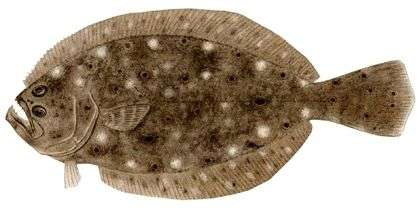
 Summer Flounder
- 6-hour private fishing adventure with Captain Mark Wagner aboard 23-foot Fish Master vessel
- Target redfish, sea trout, black drum, sheepshead, and flounder in prime Mississippi-Gulf waters
- All-inclusive $800 rate for up to 4 guests includes equipment and professional expertise
Trip Pricing and Availabilities:
Half Day Venice Inshore - Premium Fishing
Captain Mark Wagner knows these Louisiana marshes like the back of his hand, and his 6-hour private charters from Venice Marina are about as good as inshore fishing gets. You'll be working the flats and channels aboard his 23-foot Fish Master, perfectly rigged for up to 4 anglers who want to get serious about hooking redfish, sea trout, and whatever else is biting in these legendary waters. At $800 all-inclusive for your group, you're getting a top-rated guide who's spent years dialing in the best spots around Venice - just make sure you've got your Louisiana fishing license sorted before you show up.
What to Expect on the Water
Venice sits right where the Mississippi River dumps into the Gulf, creating this amazing mix of fresh and saltwater that fish absolutely love. Captain Mark launches from Venice Marina and heads out to work the grass flats, oyster beds, and deeper channels where different species hang out depending on the tide and season. The 23-foot Fish Master gives you plenty of room to cast without getting tangled up with your buddies, plus it's shallow enough to get into those skinny areas where the big reds like to cruise. Whether you're a weekend warrior or someone who's never held a fishing rod, Mark tailors the trip to your crew - beginners get the full rundown on technique, while experienced anglers can focus on finding those trophy fish everyone talks about.
Techniques & Tackle
Mark's got you covered with quality rods, reels, and all the terminal tackle you'll need for the day. Depending on what's working, you might be throwing live shrimp under popping corks over grass beds, bouncing jigs along oyster shell, or working soft plastics through deeper cuts. The beauty of Venice inshore fishing is the variety - you could be sight-casting to tailing redfish one minute and dropping down for black drum the next. Captain Mark reads the conditions and adjusts throughout the day, switching between light tackle for trout and heavier gear when those bull reds show up. He'll teach you how to feel the difference between a fish pickup and getting hung in the grass, plus share local tricks that separate the tourists from the anglers who actually catch fish consistently.
Species You'll Want to Hook
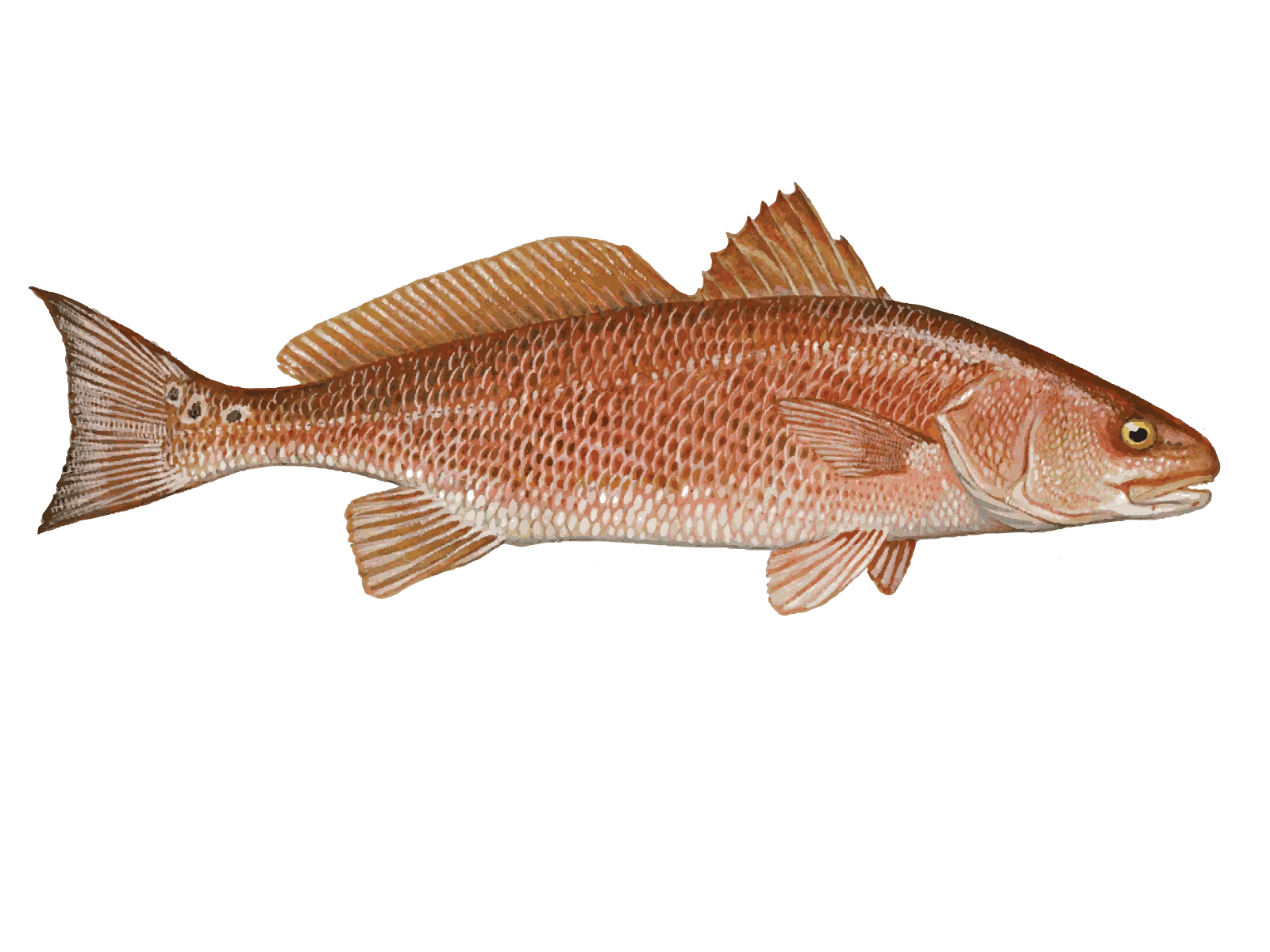
Redfish are the bread and butter of Venice inshore fishing, and these copper-colored bruisers fight harder than almost anything in shallow water. They typically run 20 to 35 inches around here, with the occasional bull red pushing 40-plus that'll test your drag system. Spring through fall offers the most consistent action, though winter can produce some monster fish when conditions line up. What makes reds so addictive is how they eat - sometimes subtle, sometimes aggressive, but always requiring you to pay attention to your line.
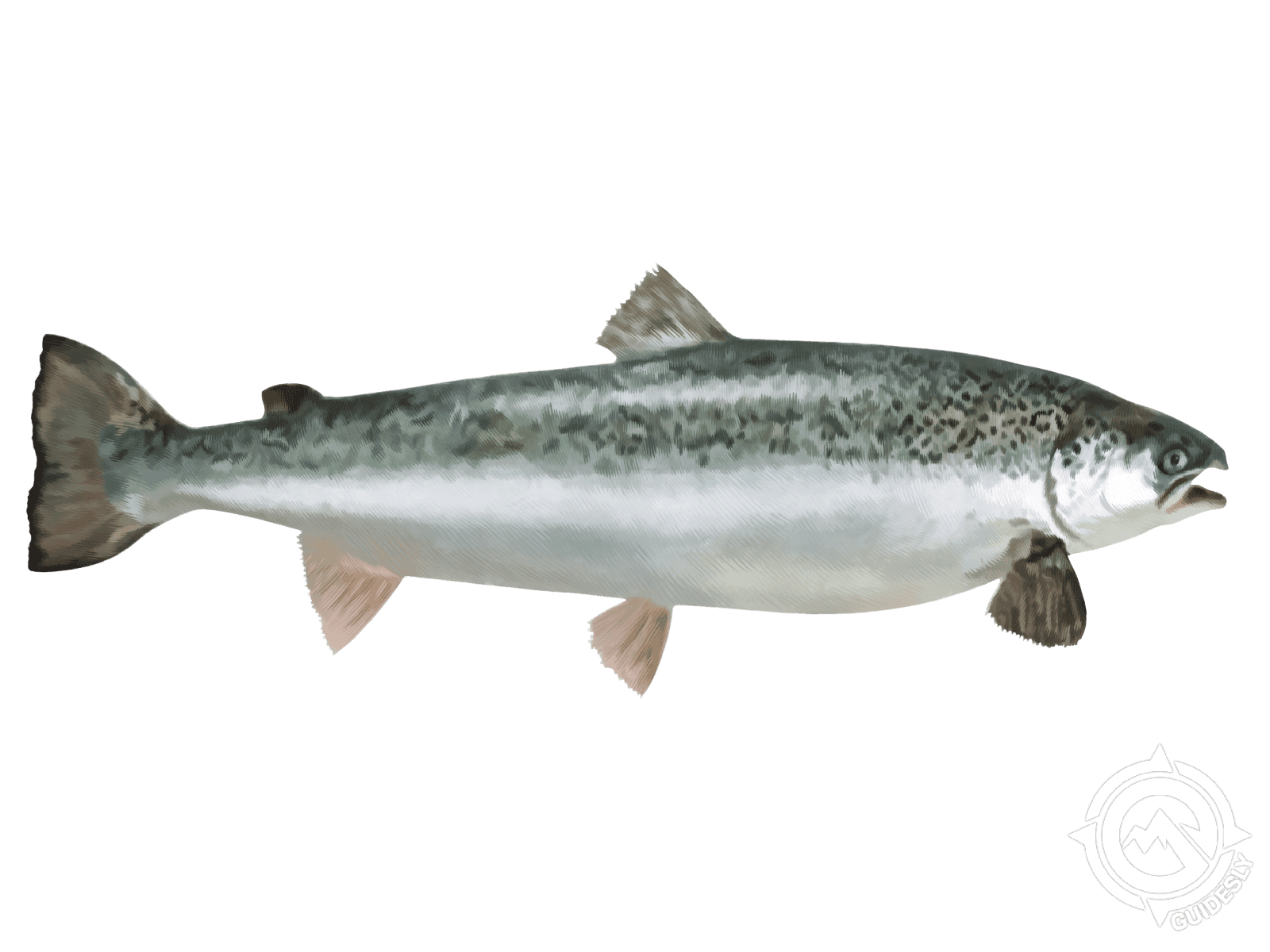
Sea Trout might be called "speckled trout" by locals, but don't let the name fool you - these spotted predators are pure saltwater fish that love the grass flats around Venice. They average 14 to 18 inches with occasional 20-inch specimens that'll make your day. Spring and fall are prime time when they school up in deeper holes, though summer mornings can be fantastic if you get on the water early. Trout have soft mouths, so you need to keep steady pressure without horsing them - a lesson that makes you a better angler overall.
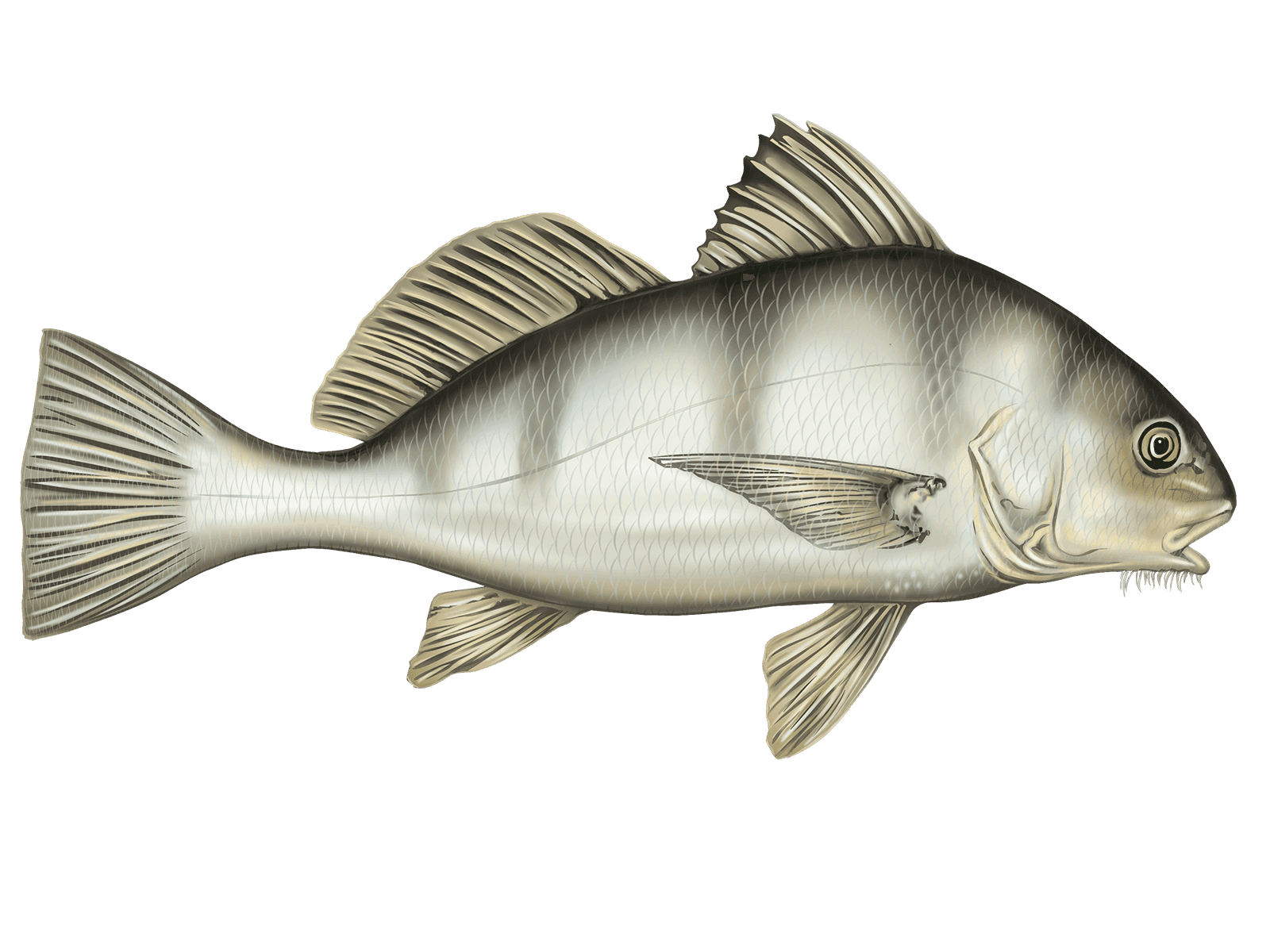
Black Drum are the bulldogs of the marsh, using their pharyngeal teeth to crush oysters and crabs along the bottom. These fish can range from 16-inch "puppy drum" to 30-pound slabs that'll make your arms burn. They're most active during cooler months when they move into shallower water to feed. What's cool about drum fishing is the technique - you're often fishing right in the structure where they live, requiring precise presentations and quick hook sets before they pull you into the rocks.
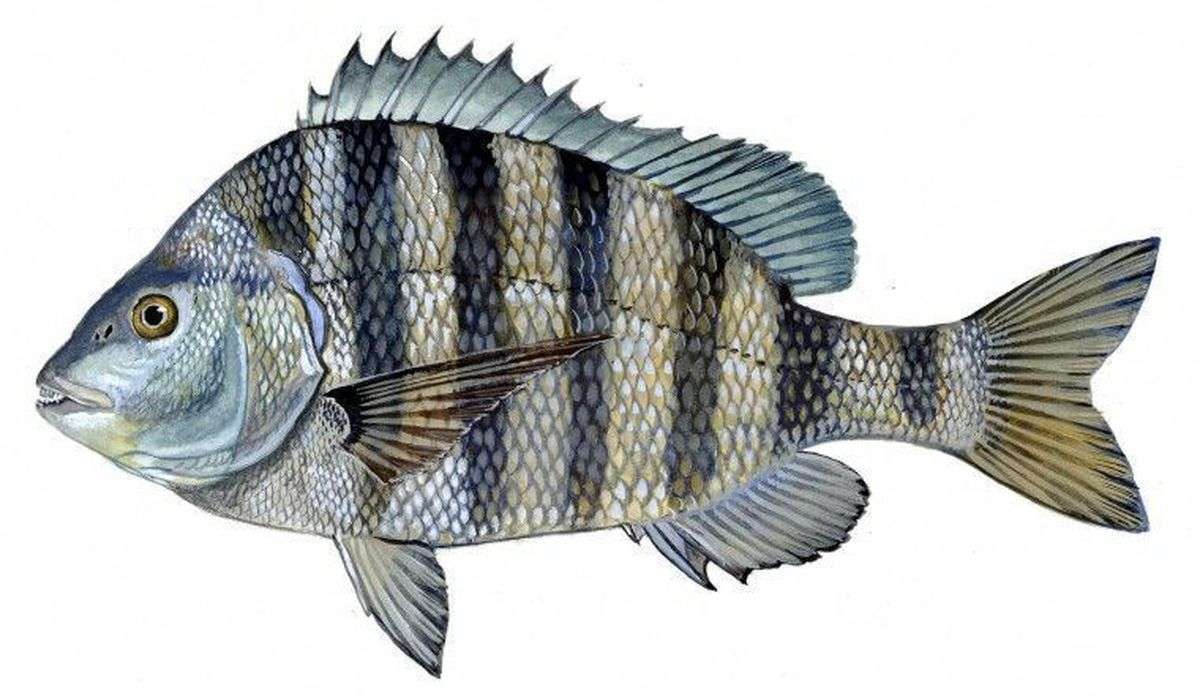
Sheepshead earn their nickname "convict fish" from those black and white stripes, but anglers know them as some of the trickiest fish to hook consistently. They average 12 to 16 inches around Venice's abundant oyster bars and pilings, with occasional 18-plus inch fish that are absolute slabs. Peak season runs from late fall through early spring when they congregate around structure. These fish have human-like teeth for crushing barnacles and crabs, which means they can steal bait like pros - landing one requires sharp hooks, light line, and perfect timing.
Summer Flounder, or "fluke" to northern anglers, are the chameleons of the Venice flats. These ambush predators bury themselves in sand and mud, waiting to demolish passing baitfish. They typically run 14 to 20 inches, though Venice produces some doormat-sized fish that'll surprise you. Summer months obviously offer the best action, especially around channel edges and sand flats adjacent to grass beds. Flounder fishing teaches you to fish slow and feel every bump - sometimes that "snag" is actually a nice fish that picked up your bait and hasn't moved yet.
Time to Book Your Spot
Captain Mark Wagner's Venice inshore trips deliver exactly what serious anglers want - consistent fish, quality equipment, and a guide who knows when to find them. The $800 rate covers everything except your fishing license and whatever snacks you want to bring, making it a solid value for a world-class fishery that's produced more tournament wins than most places can count. Venice's unique location means you're always fishing productive water, whether it's your first time or your fiftieth trip down here. Don't wait too long to book - the best guides stay busy, and you don't want to miss out on what could be the fishing trip that hooks you on Louisiana inshore for life.
Learn more about the species
Black Drum
Black Drum are the heavyweights of our local waters, typically running 5-30 pounds but capable of hitting 90+ pounds. These grey-black bruisers love shallow muddy flats and oyster beds where they use their powerful jaws to crush shellfish and crabs. Spring is prime time when they school up for spawning, making them easier to target. You'll find them in brackish water around structures, from super shallow creeks to depths up to 100 feet. What makes them special is their drumming sound - you can actually hear them underwater. They put up a solid fight and smaller ones under 15 pounds make great table fare. Pro tip: use fresh crab for bait and fish it right on the bottom - they won't chase lures very far, so get that bait close to structure.
Redfish
Redfish are the poster child of our inshore waters - bronze-colored beauties with distinctive black spots near their tails that fool predators into attacking the wrong end. They typically range from 20-35 inches, with the big bulls reaching 45+ inches and 50 pounds. These fish love super shallow water, often in 1-4 feet where you can see their backs above the surface. They hang around oyster reefs, grass flats, and marsh edges on mud bottoms. Spring and fall are prime, but they're catchable year-round. What guests love is their aggressive strikes and powerful fights - they'll peel drag and make long runs. Plus they're great eating when kept within slot limits. The secret is getting your lure close to structure and working it slowly. Topwater plugs at dawn create explosive strikes, but they'll hit everything from spoons to live shrimp.
Sea Trout
Sea Trout, or Speckled Trout as we call them locally, are beautifully spotted fish that typically run 14-24 inches and 1-5 pounds. They love grass flats and shallow waters, especially at night when they move up to feed. You'll find them in estuaries and brackish water throughout the year, though they school up in deeper channels during winter months. Spring and fall are prime times when they're most active. What makes them popular is their willingness to hit lures and their delicate, flaky white meat that's fantastic on the table. They're great fighters for their size and respond well to artificial baits. The trick with trout is don't overcook them - the meat is soft and can get mushy. For catching them, work topwater plugs and soft plastics over grass beds early morning or late evening. Light tackle makes it more fun.
Sheepshead
Sheepshead are the "convict fish" with their black and white stripes, but what really sets them apart are those human-like teeth they use to crush barnacles off pilings. Most run 1-8 pounds and 14-20 inches, though we occasionally see 20-pounders that'll test your tackle. They live around any structure - docks, bridges, oil rigs, and jetties where barnacles grow thick. Early spring February through April is peak season when they spawn and school up. Guests love them because they're notorious bait thieves and excellent eating - sweet, white meat that's worth the effort. They're picky about presentation though. My advice: use fiddler crabs or shrimp, get as close to the pilings as possible, and set the hook hard the moment you feel weight. They'll nibble and try to steal your bait, so don't hesitate when you feel them.
Summer Flounder
Summer Flounder are the masters of disguise - flatfish that lie on sandy bottoms with both eyes on one side, perfectly camouflaged until they ambush passing prey. Most run 15-20 inches, though we see some nice 5-6 pounders that'll surprise you. They're found in estuaries and nearshore waters, hanging on sandy or muddy bottoms where they can blend in. Fall months from September through November are your best bet when they're more active and feeding heavily. What guests love is their sneaky bite and excellent table fare - sweet, white meat that's hard to beat. They'll hit live minnows, mullet, and sea worms. Here's the key: use a circle hook and fish it right on the bottom with enough weight to stay down. When you feel that subtle tap, give them a second to take it before setting the hook.
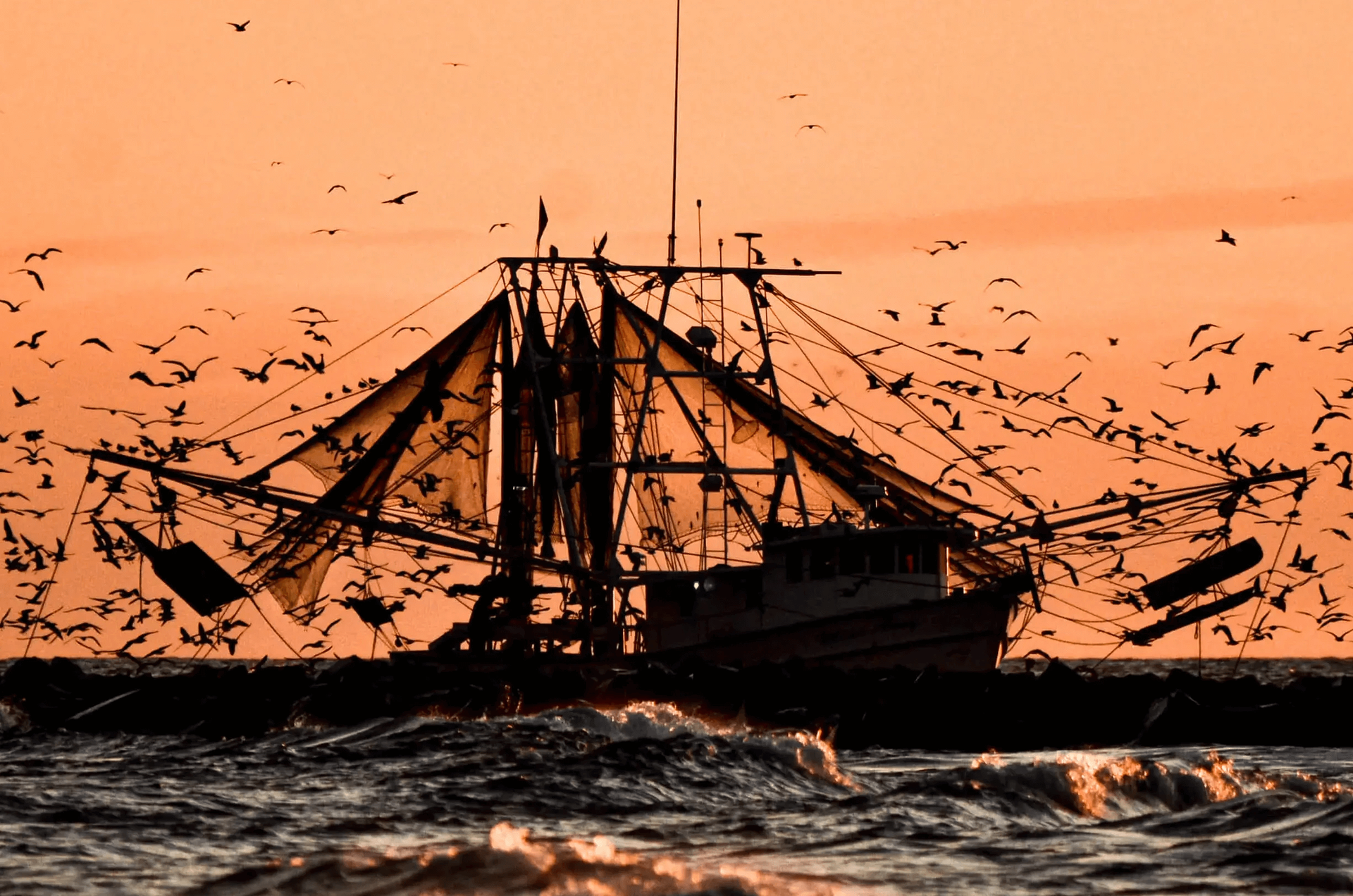
About the 23-foot Fish Master
Vehicle Guest Capacity: 4
Manufacturer Name: Mercury
Maximum Cruising Speed: 40
Number of Engines: 1
Horsepower per Engine: 300