%2Ffit-in%2F250x250%2Fguide_websites%2F58860%2Fimages%2F1766454928986598386018_122199561956291656_9220518757867363358_n.jpg&w=1920&q=100)
/users/51237b7f-5cea-4e9e-80a8-542dcdb3dbbe/ratecard/555853277_122190568682291656_6224434374238424716_n-mjhx3wdx.jpg)
%2F300x300%2Fusers%2F51237b7f-5cea-4e9e-80a8-542dcdb3dbbe%2Fratecard%2F555853277_122190568682291656_6224434374238424716_n-mjhx3wdx.jpg&w=256&q=75)
%2F300x300%2Fusers%2F51237b7f-5cea-4e9e-80a8-542dcdb3dbbe%2Fimages%2Fbest-fishing-venice-marina-2434.jpg&w=256&q=75)
%2F300x300%2Fusers%2F51237b7f-5cea-4e9e-80a8-542dcdb3dbbe%2Fimages%2Ffishing-venice-marina-2423.jpg&w=256&q=75)
%2F300x300%2Fusers%2F51237b7f-5cea-4e9e-80a8-542dcdb3dbbe%2Fimages%2Fblack-drum-fishing-venice-marina-2430.jpg&w=256&q=75)
%2F300x300%2Fusers%2F51237b7f-5cea-4e9e-80a8-542dcdb3dbbe%2Fimages%2Fvenice-marina-fishing-2514.jpg&w=256&q=75)
%2F300x300%2Fusers%2F51237b7f-5cea-4e9e-80a8-542dcdb3dbbe%2Fimages%2Fredfish-fishing-louisiana-2424.jpg&w=256&q=75)
%2F300x300%2Fusers%2F51237b7f-5cea-4e9e-80a8-542dcdb3dbbe%2Fimages%2Ffishing-venice-marina-2446.jpg&w=256&q=75)
%2F300x300%2Fusers%2F51237b7f-5cea-4e9e-80a8-542dcdb3dbbe%2Fimages%2Fredfish-louisiana-fishing-2363.jpg&w=256&q=75)
%2F300x300%2Fusers%2F51237b7f-5cea-4e9e-80a8-542dcdb3dbbe%2Fimages%2Fredfish-venice-marina-2657.jpg&w=256&q=75)
%2F300x300%2Fusers%2F51237b7f-5cea-4e9e-80a8-542dcdb3dbbe%2Fimages%2Fanglers-venice-marina-fishing-2725.jpg&w=256&q=75)
%2F300x300%2Fusers%2F51237b7f-5cea-4e9e-80a8-542dcdb3dbbe%2Fimages%2Fangler-redfish-venice-marina-2604.jpg&w=256&q=75)
Venice LA Inshore Fishing with Reel Rusty
 Venice Marina, LA
What you will be catching:
 Black Drum
 Redfish
 Sea Trout
 Sheepshead
 Summer Flounder
- 8-hour inshore charter targets redfish, trout, and drum species
- $800 trip includes equipment aboard 23-foot vessel for 4 anglers
- Venice Marina location offers prime Mississippi River delta fishing
Trip Pricing and Availabilities:
Full Day Venice Inshore - Redfish & More
When you're looking for world-class inshore fishing, Venice, Louisiana is where serious anglers come to play. Captain Mark Wagner knows these marshes like the back of his hand, and he's ready to put you on some of the best fishing the Gulf Coast has to offer. This 8-hour adventure starts bright and early at 6:00 AM from Venice Marina, giving you the full day to work the flats, channels, and structure that make this area legendary. We're talking about a private charter for up to 4 anglers aboard a 23-foot Fish Master that's built for navigating these shallow waters and getting you where the fish are biting.
What to Expect on the Water
Your day kicks off before sunrise because that's when the magic happens in these waters. The early morning bite is something special down here, and Mark knows exactly where to position the boat to intercept feeding fish as they move with the tide. You'll be fishing prime inshore habitat - think grass flats, oyster reefs, and deep channels where baitfish concentrate and predators follow. The 23-foot Fish Master is perfect for this style of fishing, with a shallow draft that lets us get into skinny water where bigger boats can't go, but stable enough to handle whatever Mother Nature throws our way. At $800 for your group, you're getting a full-service charter that includes all the tackle and expertise you need. Just remember to grab your Louisiana fishing license before you arrive - that's the one thing we can't provide for you.
Tactics and Prime Spots
Mark's approach to Venice inshore fishing is all about reading the water and adapting to conditions. Some days we'll be sight-fishing the flats with artificial lures, watching for tailing redfish in ankle-deep water. Other times we're anchored up on productive structure, using live or cut bait to target sheepshead around pilings and black drum near oyster beds. The beauty of inshore fishing here is the variety - we might start the morning throwing topwater plugs for sea trout, switch to bottom rigs for black drum at midday, and finish strong working the evening bite with soft plastics for redfish. Mark provides all the tackle, from light spinning gear perfect for trout to heavier conventional setups when we need to muscle fish away from structure. The key is staying mobile and following the bite throughout the day.
Top Catches This Season
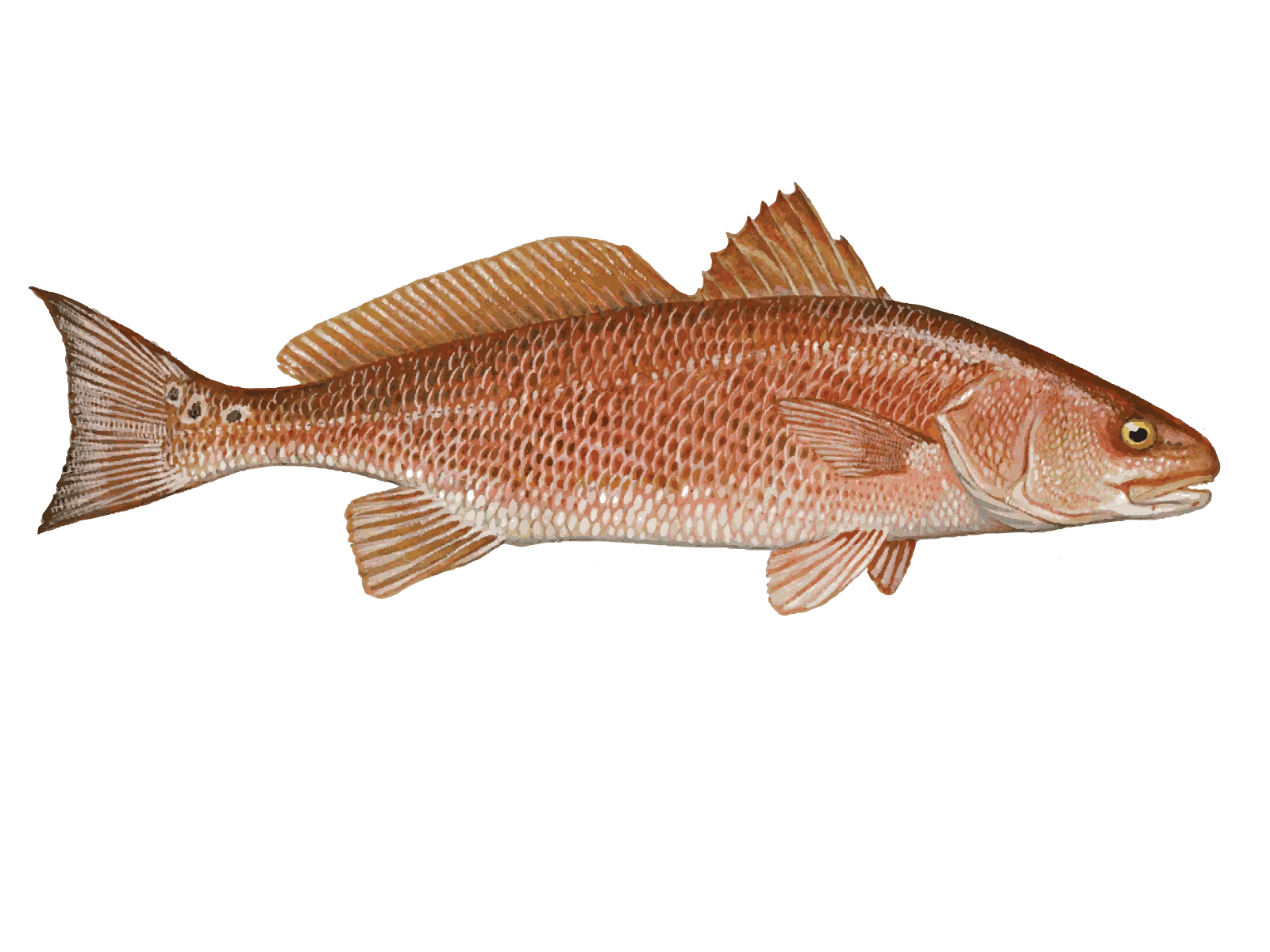
Redfish are the crown jewel of Venice inshore fishing, and these copper-colored bruisers put up a fight that'll test your drag system. Most of our reds run between 20-30 inches, perfect eating size, but don't be surprised if we hook into a bull red that'll peel line and make your arms burn. They're most active during moving tides, especially around dawn and dusk, and they love to ambush baitfish in shallow water. What makes redfish so special is their aggressive nature - when they're feeding, they'll hit just about anything you throw at them.
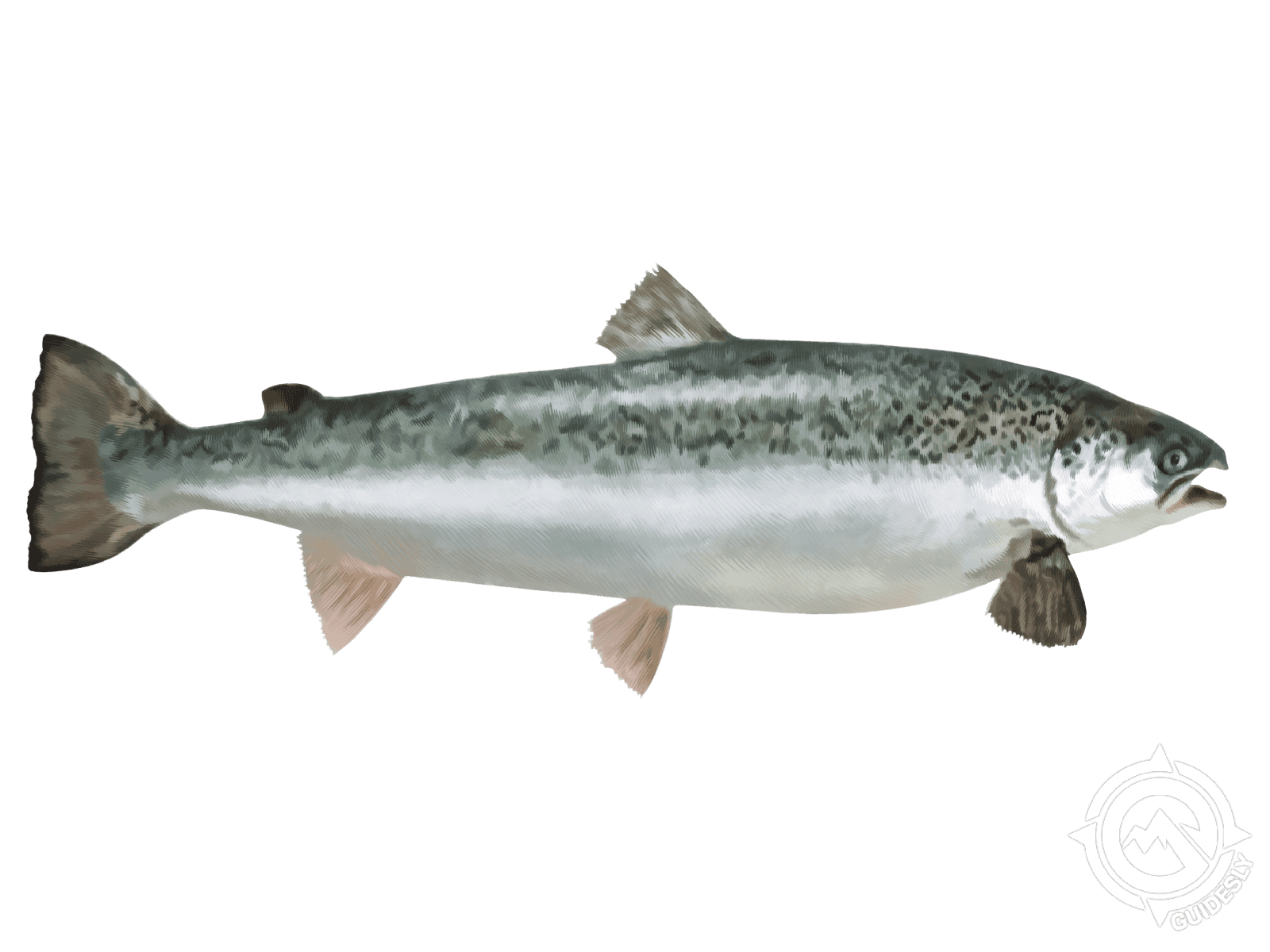
Sea trout might not have the brute strength of redfish, but they make up for it with their willingness to bite and their excellent table fare. These spotted beauties love grass flats and drop-offs, especially during cooler months when they school up in deeper channels. Spring and fall are prime time for big trout, with fish pushing 20+ inches not uncommon. They're also one of the most reliable species we target - even on tough days, we can usually find trout willing to cooperate.
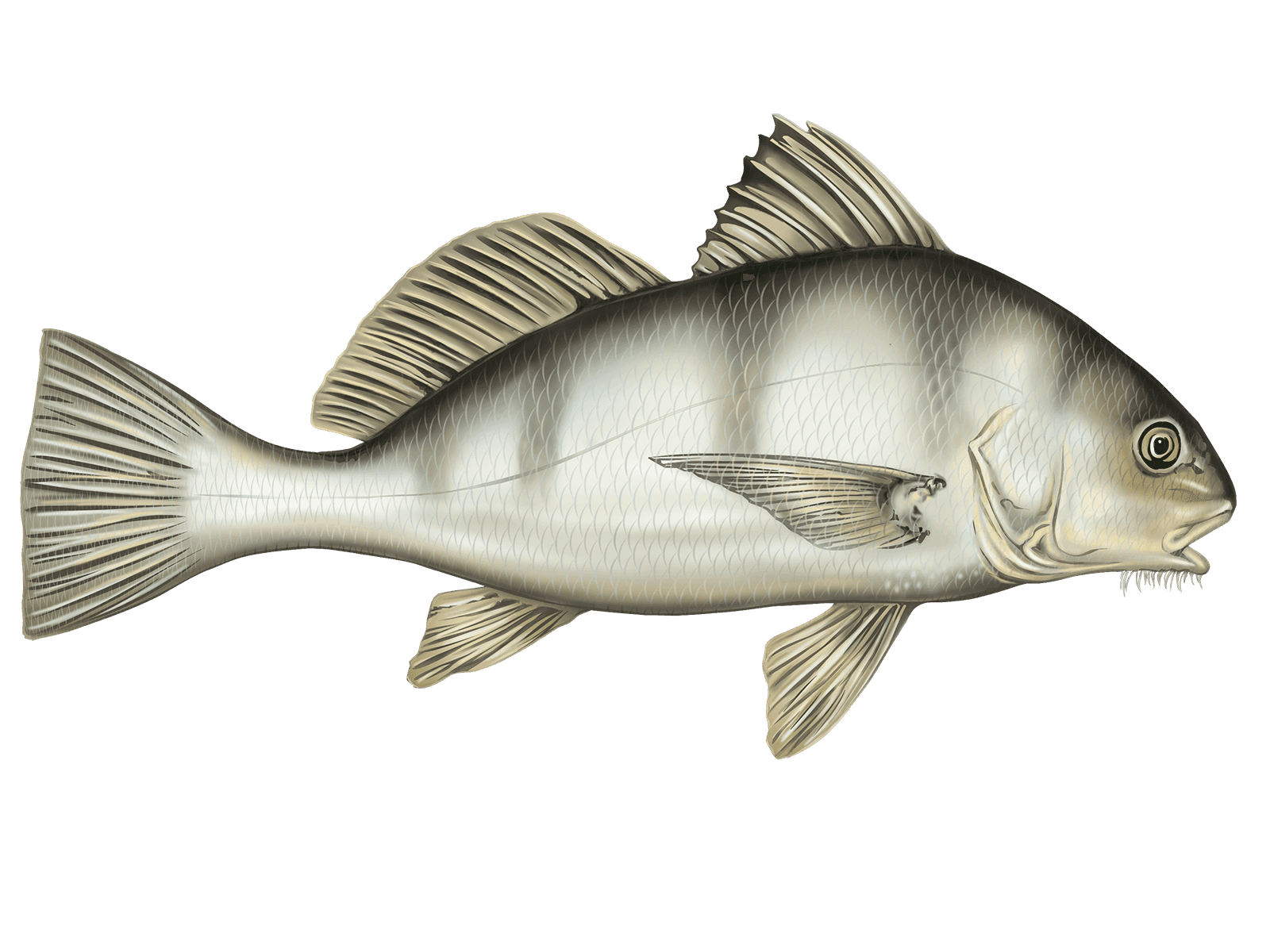
Black drum are the heavyweight champions of the marsh, with big fish capable of testing your tackle to the limit. These bottom-dwellers love oyster reefs and hard structure, where they use their pharyngeal teeth to crush shellfish. While they might not be the prettiest fish in the water, a big drum will give you a workout you won't forget. They're most active during warmer months and are excellent eating when prepared properly.
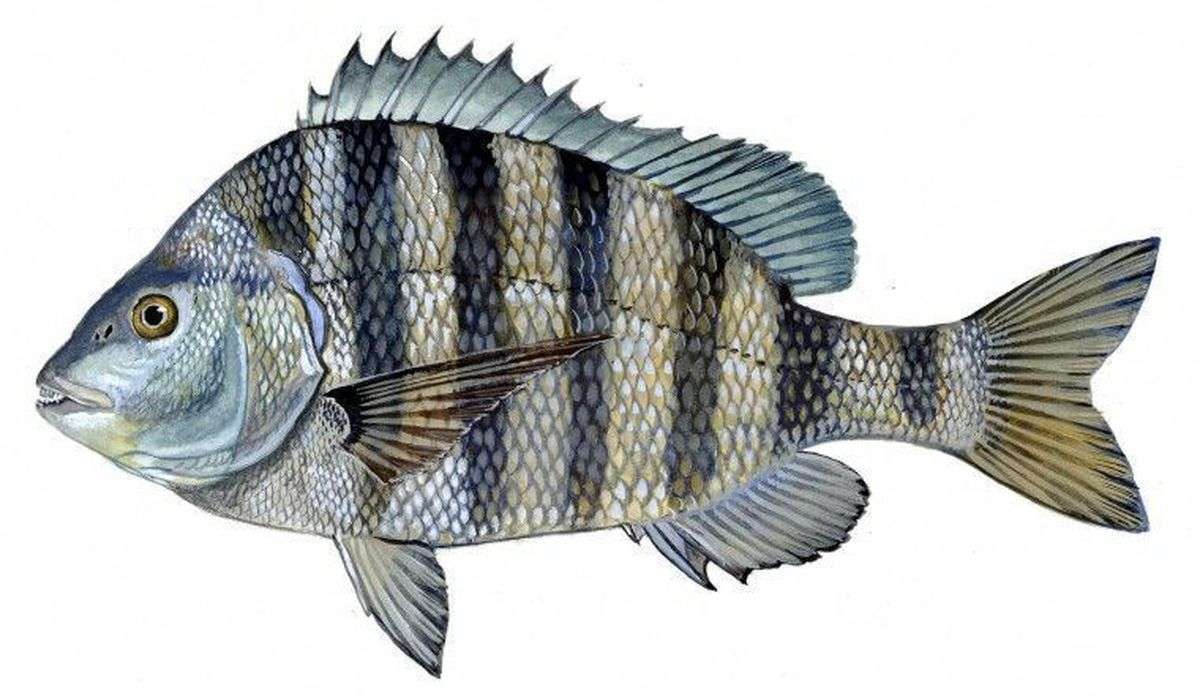
Sheepshead are the technical challenge of inshore fishing - these black-and-white striped convicts have a mouth full of human-like teeth and a knack for stealing bait. They hang around structure like dock pilings, bridges, and reefs, where they feed on barnacles and crustaceans. Landing a good sheepshead requires finesse and timing, but they're absolutely delicious and provide some of the most rewarding fishing you'll experience.
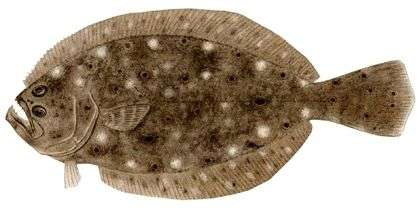
Summer flounder round out our target species list, and these flatfish are masters of camouflage. They bury themselves in sandy bottoms near channel edges and ambush unsuspecting baitfish. Flounder fishing requires a different approach - slower presentations and the ability to detect subtle bites. When you connect with a nice doormat flounder, you'll understand why they're such a sought-after species.
Time to Book Your Spot
Venice's reputation as a fishing destination isn't built on hype - it's earned through consistent action and the kind of memories that last a lifetime. This full-day charter with Captain Mark Wagner gives you access to some of the most productive inshore waters in the country, with the expertise and equipment needed to make the most of your time on the water. Whether you're a seasoned angler looking to add new species to your list or a newcomer wanting to experience Gulf Coast fishing at its finest, this trip delivers. The combination of Mark's local knowledge, quality equipment, and prime fishing grounds creates the perfect recipe for a successful day. Don't wait too long to book - the best dates fill up fast, especially during peak seasons when the fishing is hot and the weather cooperates.
Learn more about the species
Black Drum
Black Drum are the heavyweights of the drum family, typically running 5-30 pounds but capable of hitting 90+ pounds. These gray-black bruisers love our oyster beds and shallow muddy flats, especially during spring spawning when they school up and get aggressive. You'll find them around structure in 2-15 feet of water, though they can adapt to almost any depth or salinity. What makes them special is that crushing power - they've got teeth like bolt cutters for cracking oysters and crabs. The smaller ones under 15 pounds are fantastic eating with sweet, flaky meat. My tip: use fresh crab and get ready for that first heavy thump - when a big drum picks up your bait, there's no mistaking it.
Redfish
Redfish are the crown jewel of our inshore waters, with that copper-bronze color and distinctive black spot near the tail. These fish run anywhere from schoolie size around 20 inches up to bull reds pushing 40+ pounds. They love super shallow water - we're talking 1-4 feet where you can see their backs. You'll find them tailing on mud flats, cruising oyster reefs, and hiding in marsh grass during higher tides. Year-round fishing is good, but spring and fall are prime when they're most active. What makes them special is their willingness to eat almost anything and that explosive strike when they hit topwater. Here's my go-to: sight-cast a gold spoon or walk-the-dog topwater plug to visible fish - when you see that wake coming at your lure, get ready for some fun.
Sea Trout
Sea Trout, or Speckled Trout as we call them locally, are beautifully spotted fish that cruise our grass flats and shallow bays. They typically run 14-24 inches and 1-5 pounds, with that classic spotted pattern along their sides. These fish love structure transitions - grass edges, drop-offs, and shell beds in 2-8 feet of water. Cooler months are fantastic when they school up in deeper holes, but spring and fall offer the most consistent action. Guests enjoy their aggressive strikes and decent fight on light tackle. The meat is tender and flaky, though it's softer than most inshore species. Pro tip: work a plastic shrimp or topwater plug early morning over grass flats, and don't horse them - their mouths are soft, so steady pressure works better than aggressive pulls.
Sheepshead
Sheepshead are the convict fish of Venice waters, sporting black stripes and human-like teeth that'll make you do a double-take. These 1-8 pound structure huggers live around docks, pilings, and oil rigs where they munch on barnacles and crabs. Spring months are best when they school up for spawning around channel passes. What makes them fun to target is they're notorious bait thieves - they'll nibble and test your offering before committing. The payoff is some of the best eating fish in these waters, with sweet white meat. My trick: get your bait right against the structure and use fresh crab or fiddler crabs. When you feel them picking at it, don't wait - set that hook hard because their bony mouths are tough to penetrate.
Summer Flounder
Summer Flounder are the masters of disguise on our sandy bottoms, changing colors to match whatever they're lying on. These flatfish typically run 15-20 inches but can push 26 pounds if you're lucky. They're ambush predators that bury in sand and mud flats, waiting for baitfish to swim overhead. Fall months from September through November are prime time when they're most active and easier to locate. What guests love is the surprise factor - you never know when that gentle tap will turn into a decent fish. The meat is excellent, sweet and white. Here's the key: use a circle hook with live minnows or sea worms, and when you feel that subtle pickup, give them a second to really take it before setting the hook.
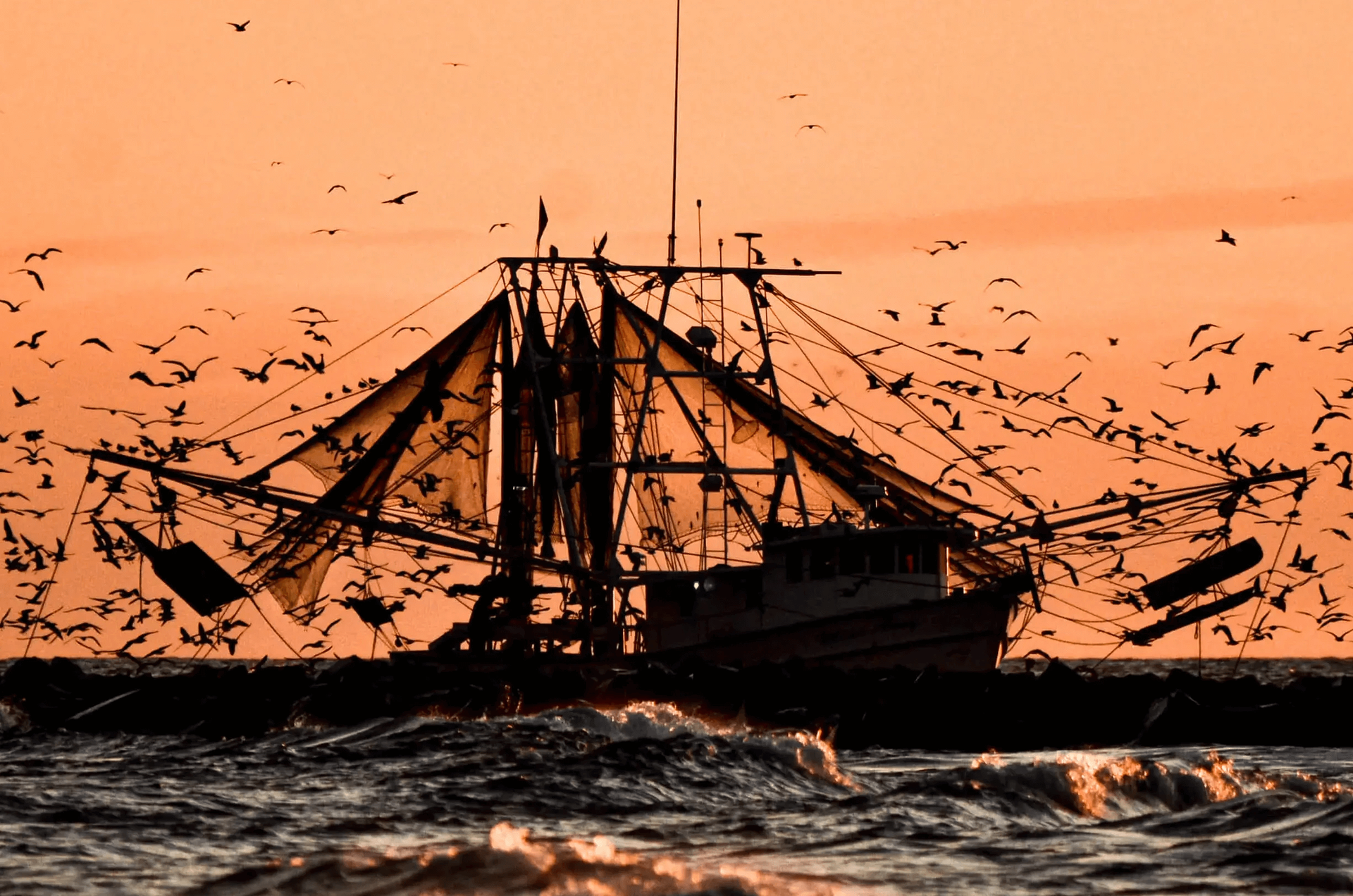
About the 23-foot Fish Master
Vehicle Guest Capacity: 4
Manufacturer Name: Mercury
Maximum Cruising Speed: 40
Number of Engines: 1
Horsepower per Engine: 300